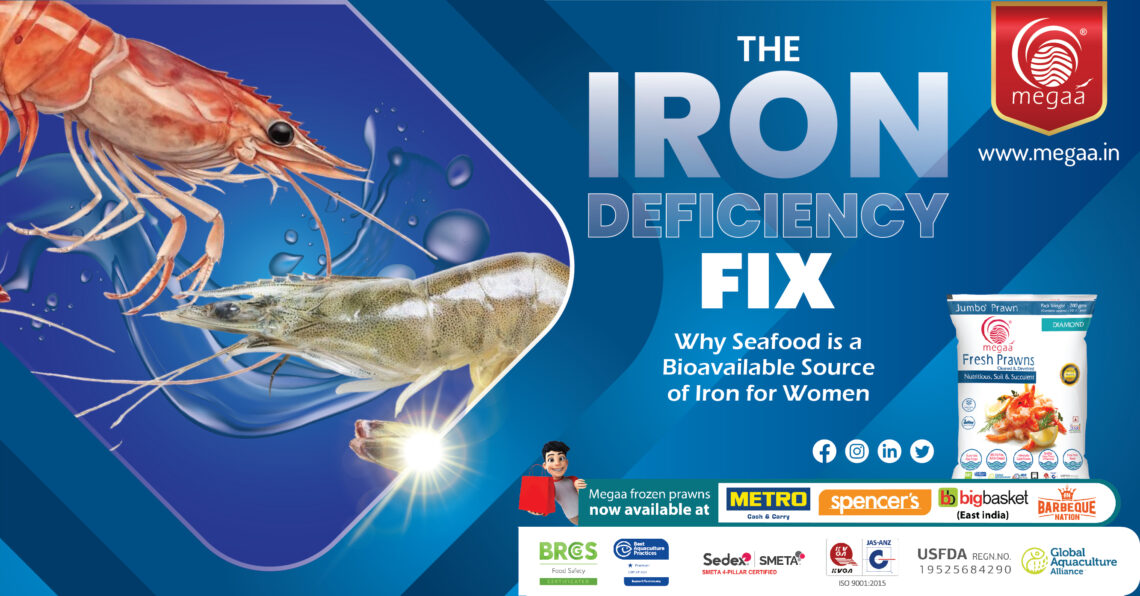
THE IRON DEFICIENCY FIX
Why Seafood is a Bioavailable Source of Iron for Women
Iron deficiency is one of the most common nutritional concerns among women worldwide. From fatigue and dizziness to weakened immunity and difficulty concentrating, low iron levels can affect everyday life in many ways. While iron supplements are often recommended, improving dietary intake of iron-rich foods can be one of the most effective and natural ways to maintain healthy iron levels. Among these foods, seafood stands out as a highly bioavailable and nutritious source of iron.
Understanding Iron Deficiency in Women
Women are more prone to iron deficiency than men due to several physiological factors. Regular menstrual cycles, pregnancy, and breastfeeding can significantly increase the body’s iron requirements. If these needs are not met through diet, the body’s iron stores may gradually decline, leading to iron deficiency or even anemia.
Symptoms often include constant tiredness, pale skin, headaches, shortness of breath, and reduced stamina. Since iron plays a key role in producing hemoglobin—the protein responsible for carrying oxygen in the blood—low levels can directly impact energy and overall wellbeing.
What Makes Iron “Bioavailable”?
Not all iron found in food is absorbed by the body in the same way. Iron exists in two main forms: heme iron and non-heme iron.
Heme iron, found in animal-based foods, is significantly easier for the body to absorb. Non-heme iron, commonly found in plant-based foods such as spinach, lentils, and beans, is absorbed less efficiently and can be affected by other dietary factors.
This difference in absorption is where seafood becomes particularly valuable. Many varieties of seafood provide heme iron, allowing the body to utilize it more effectively compared to many plant-based sources.
Seafood: A Nutrient-Dense Iron Source
Seafood offers a powerful combination of nutrients that support iron intake and overall health. Certain fish and shellfish naturally contain good amounts of heme iron, making them a reliable option for women looking to improve their iron levels through food.
In addition to iron, seafood is rich in high-quality protein, vitamin B12, omega-3 fatty acids, iodine, and zinc. These nutrients play important roles in energy production, brain health, metabolism, and immune function.
Shellfish such as clams, oysters, and mussels are particularly known for their iron content, while fish like sardines and tuna also contribute to daily iron intake. Because the iron in these foods is easily absorbed, even moderate portions can help support healthy iron levels.
Supporting Iron Absorption Naturally
Another advantage of seafood is how well it works within a balanced diet. When paired with vitamin C–rich foods such as citrus fruits, tomatoes, or bell peppers, iron absorption can be enhanced further.
For women managing busy lifestyles, including seafood in meals a few times a week can be a simple and nutritious step toward better iron balance. Whether grilled, steamed, or added to soups and salads, seafood offers versatility along with valuable nutritional benefits.
A Natural Approach to Better Iron Health
Addressing iron deficiency doesn’t always have to start with supplements. Thoughtful dietary choices can make a significant difference over time. By incorporating iron-rich, highly bioavailable foods like seafood into regular meals, women can support their energy levels, maintain healthy blood function, and promote overall wellbeing.
A nutrient-rich diet that includes quality seafood can therefore be an important part of maintaining optimal iron levels and supporting long-term health.