-
Prawn Cutlets and Chops:
A Kolkata Snack Guide In Kolkata, snacks are more than something to eat between meals. They are part of the city’s everyday food culture. From the familiar telebhaja shops to the old-school cabins serving crumb-coated cutlets, the city has a special place for snacks that are crisp on the outside and flavourful inside. Among these favourites, prawn cutlets and chops hold a place of their own. Whether you enjoy them with a cup of tea on a rainy afternoon or order them as an appetiser when guests come over, these seafood snacks bring a little something extra to the table. Prawn Cutlets: A Classic Kolkata Favourite A good prawn cutlet…
-
How to Carry Prawns Home or Across a City Without Losing Freshness
Buying fresh prawns from the market is only half the job. How you carry them home matters just as much. In a busy city, where a short shopping trip can turn into hours of traffic, even good-quality prawns can lose their freshness if they are not kept at the right temperature. Whether you are bringing prawns home from your local fish market or carrying them across town after shopping, a few simple precautions can help preserve their quality and keep them safe to eat. 1. Keep Prawns Cold from the Start Prawns are highly perishable seafood and need to be kept cold. If you have other errands to run, buy…
-
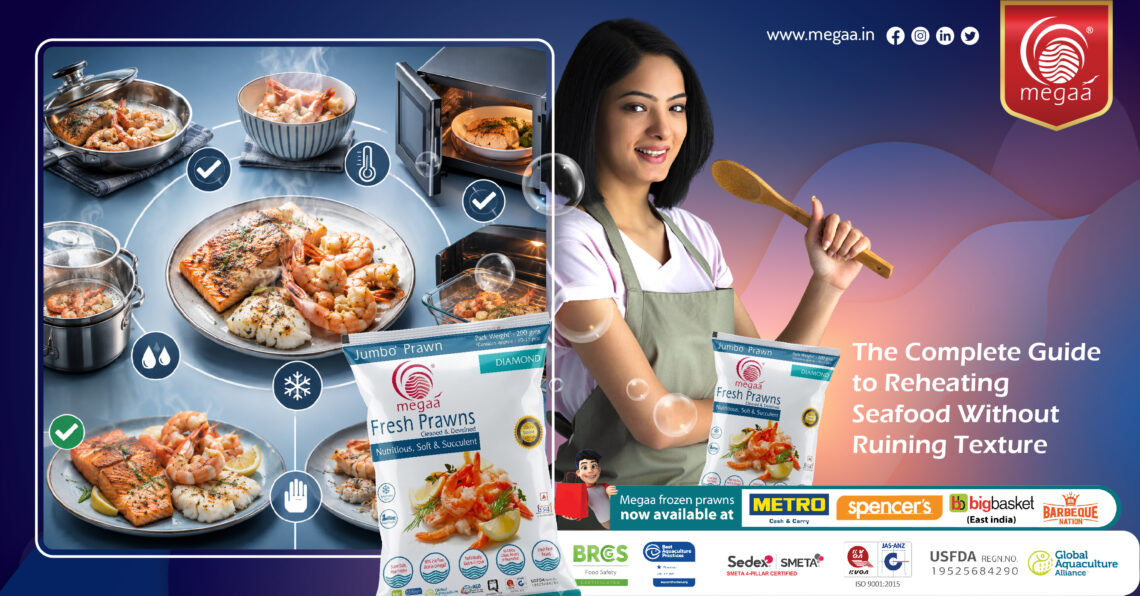
The Complete Guide to Reheating Seafood Without Ruining Texture
Seafood can be delicious when freshly cooked, but reheating it the wrong way can quickly turn tender fish rubbery and prawns tough. The good news is that you do not need to avoid leftovers. With the right method and a little care, you can reheat seafood while keeping it moist, tender and flavourful. The key is simple: seafood needs gentle heat, not high heat. Why Seafood Gets Rubbery When Reheated Fish and shellfish contain delicate proteins that cook quickly. When exposed to high temperatures for too long, these proteins tighten and push out moisture. That is why yesterday’s soft prawns can become chewy and why fish can turn dry and…
-
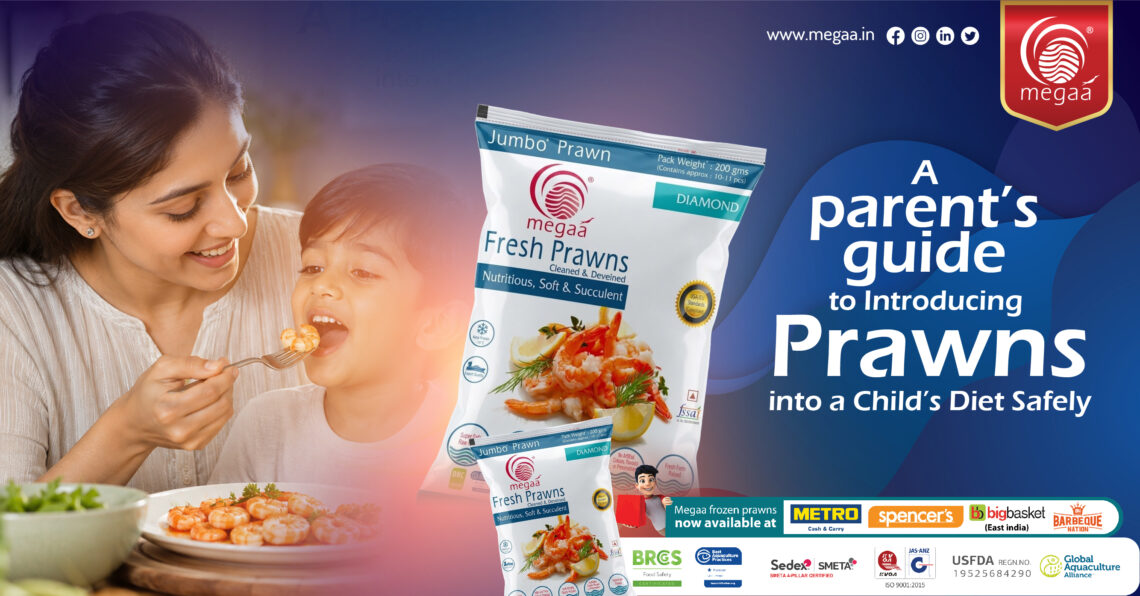
A Parent’s Guide to Introducing Prawns into a Child’s Diet Safely
Prawns can be a nutritious addition to a child’s diet. They provide protein and several important nutrients, and their naturally soft texture makes them suitable for many family meals once a child is ready for solid foods. However, prawns are also shellfish, one of the foods that can trigger an allergic reaction. This means parents should introduce them thoughtfully rather than simply adding them to a regular meal. When Can Children Have Prawns? For most babies, solid foods can be introduced at around 6 months when they are developmentally ready. Shellfish, including prawns, can also be introduced around this stage. There is generally no need to delay allergenic foods unnecessarily,…
-
Prawns and Heart Health:
Separating Outdated Advice from Current Research For years, prawns had an unfortunate reputation when it came to heart health. They contain dietary cholesterol, so the common advice was simple: if you were watching your heart, you should probably stay away from prawns. But nutrition research has become more nuanced. Today, the focus is not just on how much cholesterol a food contains. It is also about its saturated fat content, overall nutritional value, portion size, and most importantly, what the food replaces in your diet. Yes, prawns contain cholesterol. But that is not the whole story. Prawns are relatively high in dietary cholesterol, which is probably where much of the…
-
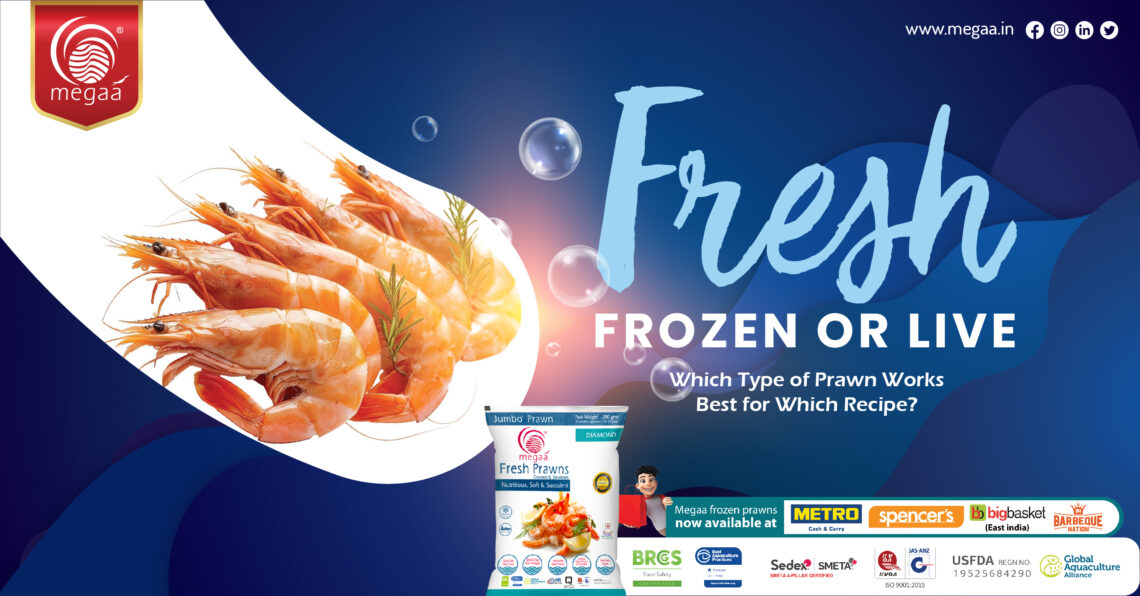
Fresh, Frozen or Live:
Which Type of Prawn Works Best for Which Recipe? Prawns are wonderfully versatile, but the type of prawn you choose can change the final dish. Fresh, frozen and live prawns each have their own strengths. The best choice depends on what you are cooking, the texture you want and how much convenience you need. Here is a simple guide to choosing the right prawn for different recipes. Fresh Prawns: Best for Simple, Delicate Dishes Fresh prawns are a great choice when the natural sweetness and texture of the seafood are meant to stand out. They work particularly well in recipes where there are not too many strong ingredients competing with…
-
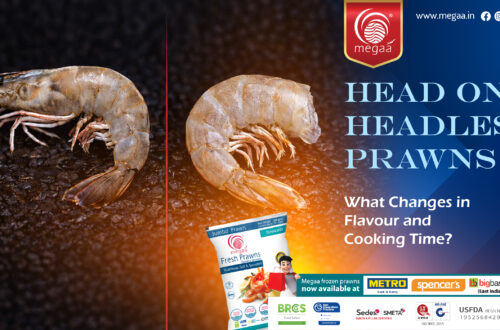
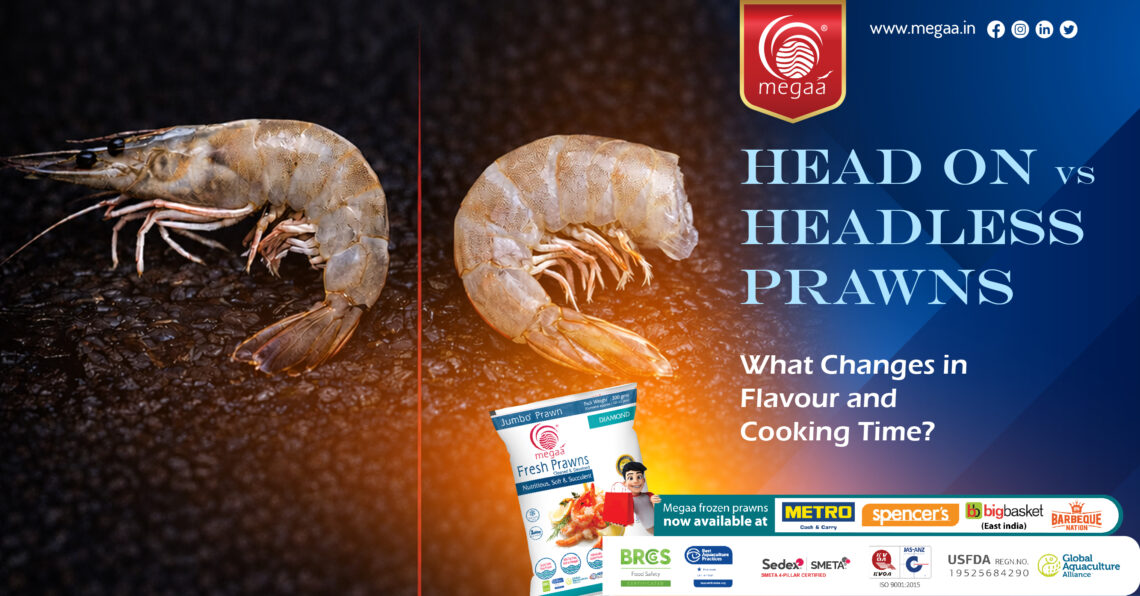
HEAD ON VS HEADLESS PRAWNS
What Changes in Flavour and Cooking Time? When buying prawns, one of the first choices you may come across is whether to choose them head on or headless. While both options can be excellent for different dishes, the choice can affect flavour, cooking time, preparation and even how you experience the prawns on your plate. Understanding the difference can help you choose the right format for your recipe and get the best out of every prawn. What Does Head On and Headless Mean? Head-on prawns are sold with the head and shell still attached, while headless prawns have the head removed. Depending on the product, the shell and tail may…
-
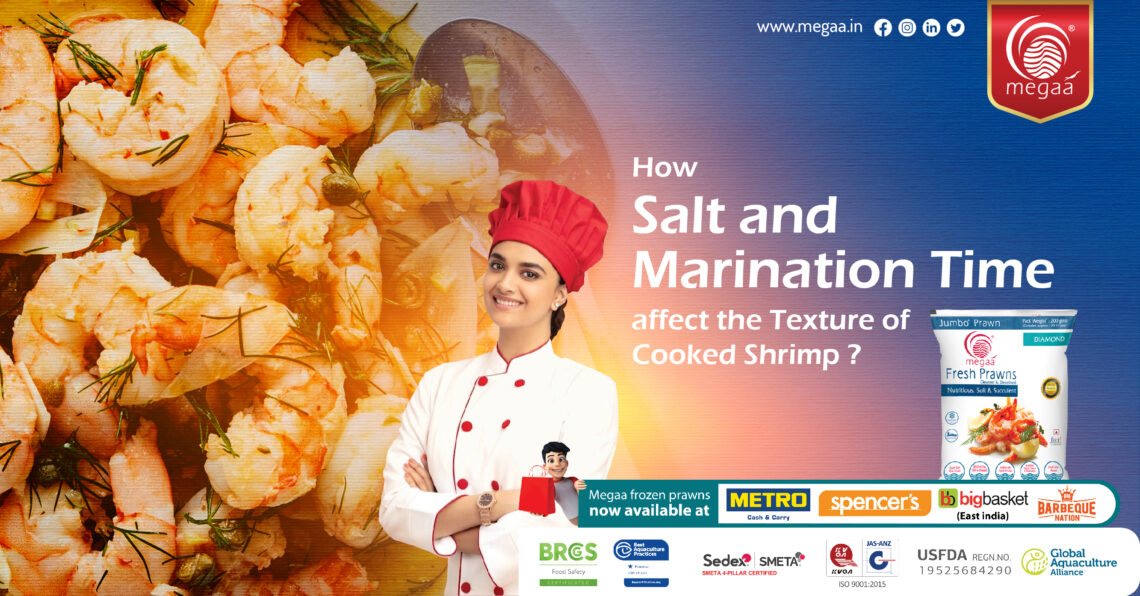
How Salt and Marination Time Affect the Texture of Cooked Shrimp
Shrimp is loved for its delicate texture and quick cooking time. But getting that perfect balance between tender, juicy and firm shrimp is not only about how long you cook it. What happens before cooking matters too. Salt and marination time can significantly influence the texture of shrimp, especially when preparing seafood for home cooking, restaurants or ready to cook products. What Salt Does to Shrimp Salt plays an important role in preparing shrimp. When shrimp is exposed to salt, it changes how proteins in the muscle interact with water. A controlled amount of salt can help shrimp retain moisture and develop a firmer, more pleasant texture during cooking. This…
-
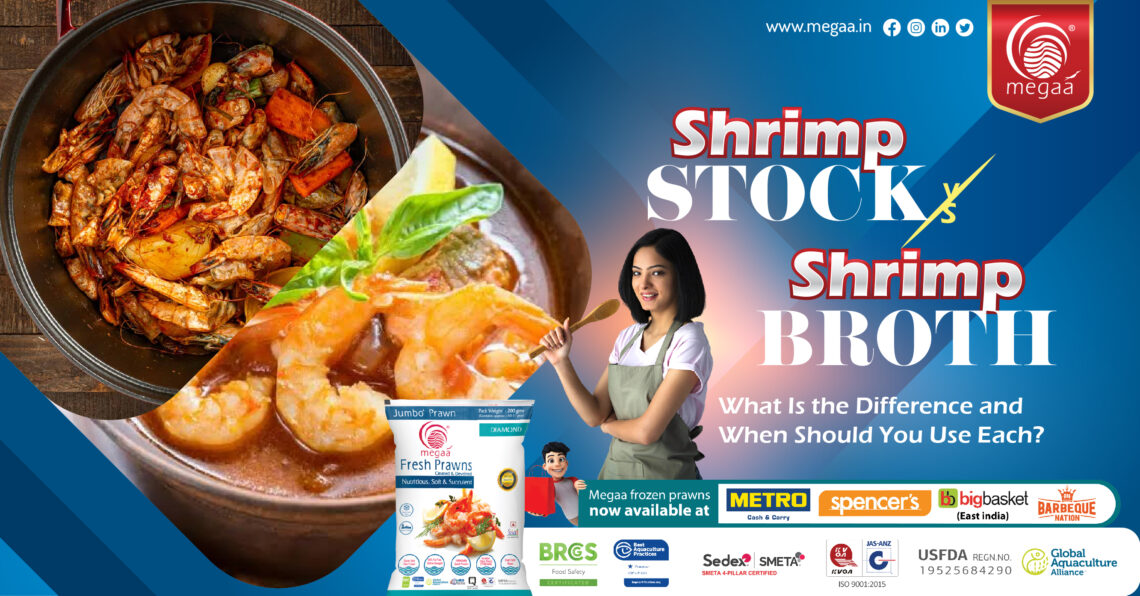
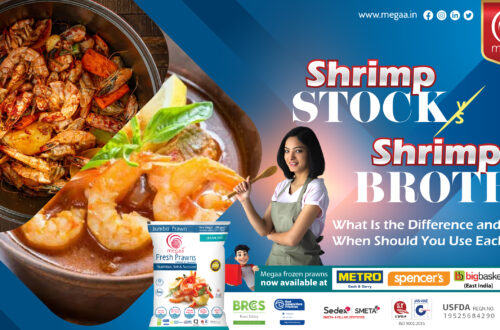
SHRIMP STOCK VS SHRIMP BROTH
What Is the Difference and When Should You Use Each? Shrimp is loved for its delicate flavour, but there is another part of shrimp that can add incredible depth to a dish: the shells and trimmings. They can be used to make both shrimp stock and shrimp broth. While these two terms are often used interchangeably, they are not exactly the same. Understanding the difference can help you choose the right one for soups, sauces, rice dishes and seafood preparations. What Is Shrimp Stock? Shrimp stock is primarily made by simmering shrimp shells and heads with vegetables, herbs and aromatics in water. The shells contain natural flavours that are released…
-
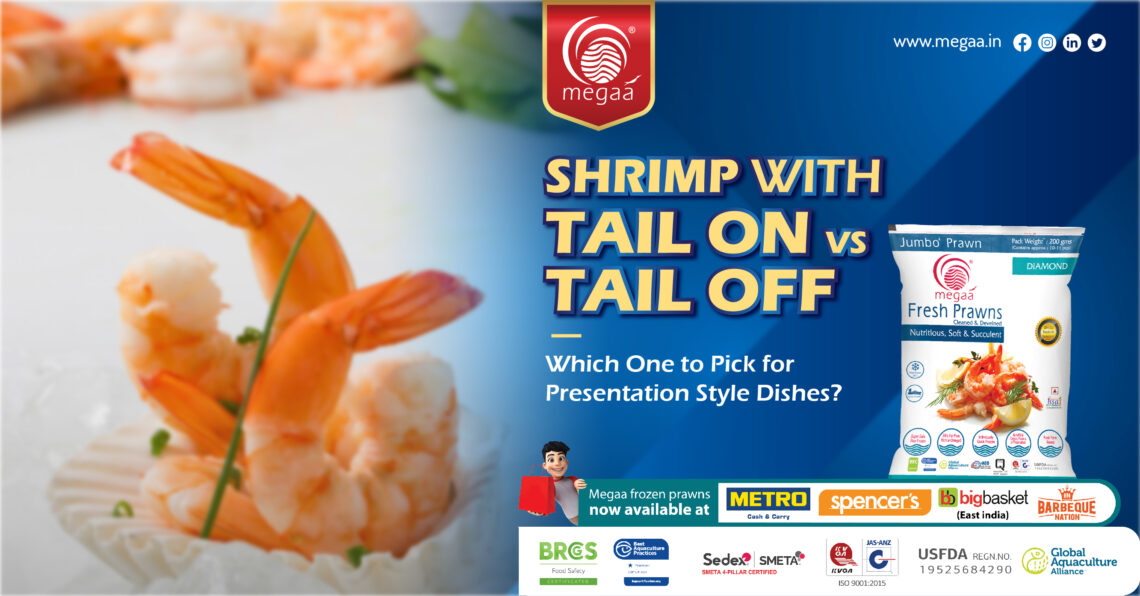
SHRIMP WITH TAIL ON VS TAIL OFF
Which One to Pick for Presentation Style Dishes? When it comes to seafood, presentation can be just as important as taste. Shrimp are naturally attractive, with their delicate shape, bright colour and appealing texture. But one small choice can make a noticeable difference to how a dish looks on the plate: should you use shrimp with the tail on or tail off? The right choice depends on the type of dish you are preparing, how you want it to look and how convenient you want it to be for the person eating it. Shrimp With Tail On: Better for Visual Appeal Shrimp with the tail on are often the preferred…